

The Systematic literature review critically synthesizes recent advances in responsible leadership (RL) research using an integrative framework that combines the core elements of leadership theory – Motive, Mode, and Mindset (MMM) – with Antecedents, Decisions, and Outcomes (ADO). It conceptualizes responsible leadership as a distinct leadership paradigm and highlights its influence at the individual (micro), team (meso), and organizational and societal (macro) levels. The review maps the intellectual landscape of RL research by identifying key trends, clarifying definitional boundaries, and distinguishing RL from related leadership theories. Furthermore, it examines core characteristics, moderating factors, and causal mechanisms that strengthen the relationship between responsible leadership and long-term organizational outcomes. Finally, the study proposes an integrative framework, illustrative propositions, and future research directions, offering a structured agenda for advancing responsible leadership scholarship.
Research on responsible leadership has surged in importance amid today’s business landscape, where organizations face intense scrutiny from diverse stakeholders. This approach weaves ethical judgment, accountability, and long-term value creation into every management function. In marketing, it bolsters consumer trust, brand integrity, and reputation through transparent communication, ethical advertising, and sustainable practices – prioritizing enduring customer bonds over fleeting profits. In finance, responsible leadership champions robust governance, honest reporting, prudent risk management, and ESG-aligned investments, curbing opportunism while boosting investor confidence. In human resources, it cultivates inclusive workplaces via fair hiring, supportive performance systems, employee wellness initiatives, and retention strategies that foster trust and commitment. Economically, it drives sustainable growth by harmonizing efficiency with equity, tackling externalities, and syncing business goals with societal good. In operations and supply chains, Ultimately, studying responsible leadership reveals how ethical, accountable practices fuel sustainable performance, stakeholder loyalty, and societal benefits across functions – equipping leaders to thrive in complexity and generate shared value.
Aligning academia and the corporate world on responsible leadership bridges theoretical insights with practical application, fostering ethical decision-making in business. This collaboration leverages academics’ research rigor – like your work on e-commerce trust – to address corporate challenges in ESG, sustainability, and stakeholder accountability.
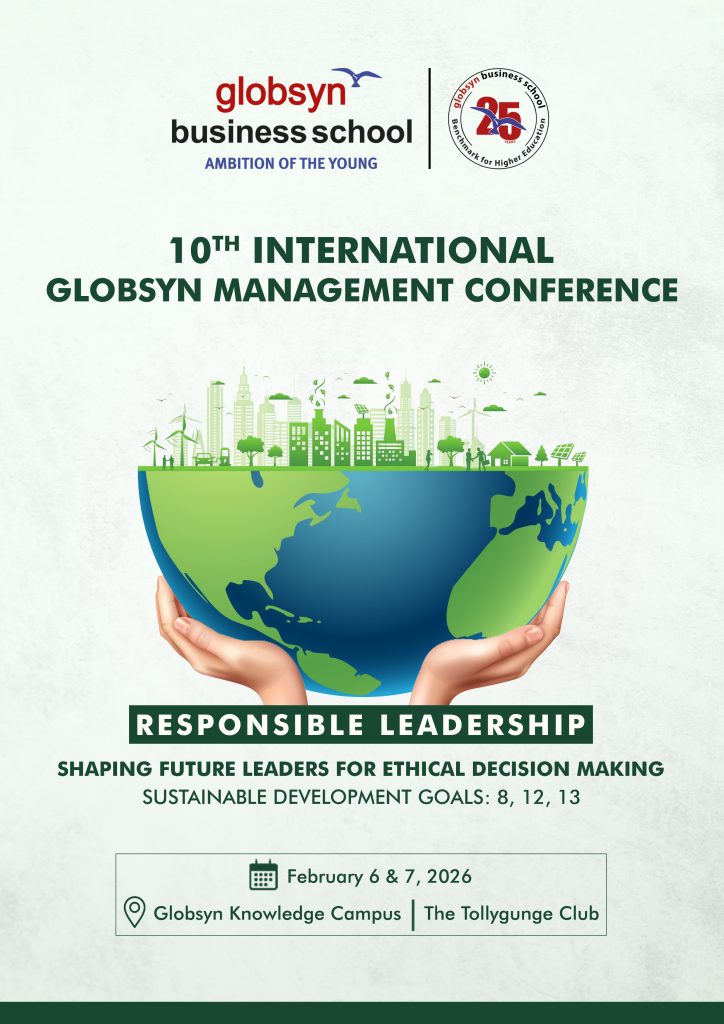
Recognizing this immediate concern to address the efficacy and ethical contingency, the International Research Seminar 2026 was dedicated to the theme: ‘Responsible Leadership – Shaping Future Leaders for Ethical Decision Making’, with emphasis on ethical sourcing, resource optimization, quality standards, and eco-friendly practices, building resilience and compliance for lasting excellence. This seminar brought together educators, business leaders, policymakers, and practitioners to explore how ethics and profitability can coexist and reinforce each other. Through dialogue and collaboration, the seminar aimed to inspire a new generation of leaders to balance organizational excellence with social responsibility, contributing to a more ethical, sustainable, and value-driven future.